Embarking on an outdoor renovation in the scenic Hudson Valley? Precision masonry is key to crafting beautiful, lasting features. Whether you’re building a stone wall or installing a patio, these practical tips will guide you in achieving flawless results. Let’s dive into the essential aspects of mastering masonry for your project.
1. Choosing the Right Materials
Selecting the appropriate materials is crucial for precision and durability. Consider the climate and the design aesthetic of your space. Natural stone and high-quality bricks can offer both strength and beauty. It’s important to understand that not all materials are created equal—limestone, granite, and marble each have unique characteristics that may affect your project’s lifespan. For a timeless look, incorporate natural stones that echo the charm of the Hudson Valley landscape.
Additionally, recycled materials can be an eco-friendly choice for your masonry project. Glass aggregate, for instance, enhances visual appeal while promoting sustainability. Opting for sustainable materials not only benefits the environment but also reduces overall costs while maintaining structural integrity. If you’d like to learn more about how to integrate that in your project, see how we prioritize sustainable building practices.
2. Understanding the Landscape
Before laying the first stone, it’s necessary to understand the landscape of your site. Evaluate the slope, drainage, and soil conditions to prevent future issues. For instance, installing a patio on a slope requires special consideration to avoid water runoff problems. Understanding your landscape allows you to design retaining walls and other features that seamlessly integrate with the natural environment.
Moreover, the site’s exposure to wind and sun can significantly impact the choice of materials and the design itself. High winds, for example, might necessitate sturdier constructions or specific layouts that provide shelter or break the wind path. Being aware of these environmental factors can lead to a more comfortable and long-lasting outdoor space.
3. Ensuring a Solid Foundation
A strong foundation is the backbone of any masonry project. Compact the soil and lay a proper base to support the weight and prevent shifting over time. Using crushed stone or gravel as a base layer helps in drainage while adding stability. Ensuring a solid foundation mitigates potential settling, which can lead to cracks and structural problems in your masonry.
Incorporating a concrete base might be necessary for larger structures. This requires precision in measuring and mixing to ensure uniformity and strength. Understanding the soil type and site conditions will guide the depth and materials needed for your foundation. Establishing a robust base is an investment in the longevity of your outdoor renovation.
4. Measuring with Accuracy
Precision requires exact measurements. Double-check your measurements and alignments to ensure every piece fits perfectly, avoiding costly mistakes. The use of laser levels and other precision tools can aid in achieving immaculate alignments, providing a professional finish to the project. Consistent measurements are vital, especially when constructing complex features like arches or corners.
Accurate measurements not only optimize material usage but also ensure that components such as gates or grills fit into planned openings without requiring adjustments post-construction. Inaccuracies can lead to increased waste and inconsistent appearances in the final structure, detracting from the overall appeal of your space.
5. Using the Right Tools
Invest in high-quality masonry tools. The right tools will increase your efficiency and accuracy when cutting and laying materials. Tools such as masonry saws, trowels, and levels must be of good quality to deliver neat cuts and smooth finishes. Using subpar tools can lead to compromised precision and quality.
Understanding the specific tools required for different tasks can significantly enhance the craftsmanship. For example, using a brick hammer versus a regular claw hammer can influence the precision of brick placement and adjustment. Regular maintenance of tools is also essential to ensure they function at their best throughout the project.
6. Mastering Mortar Application
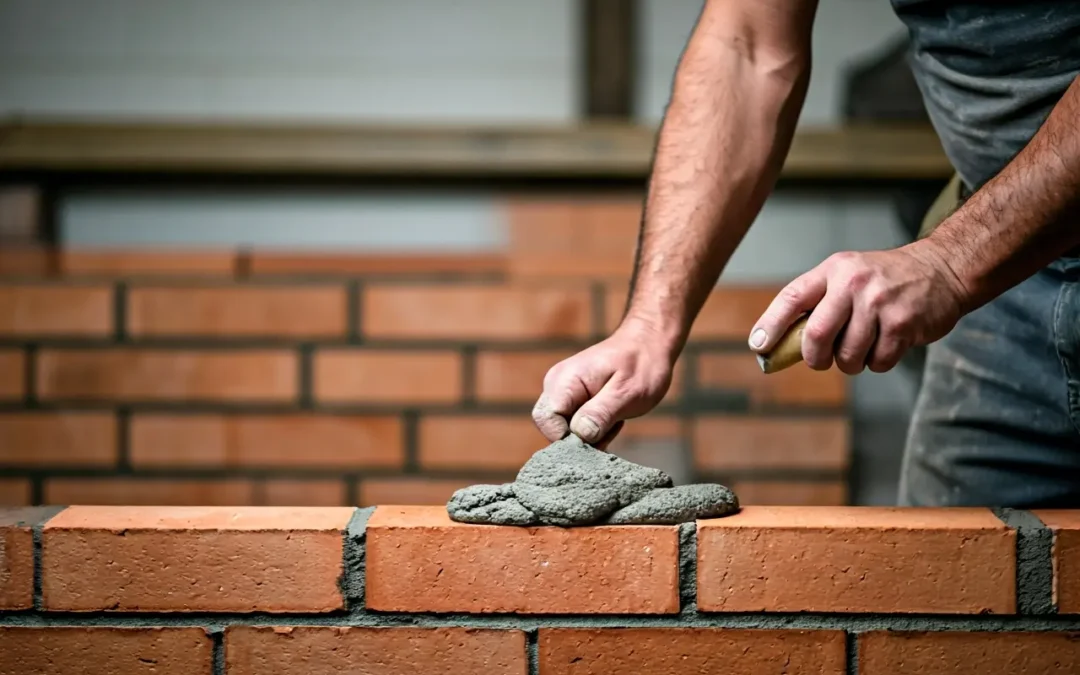
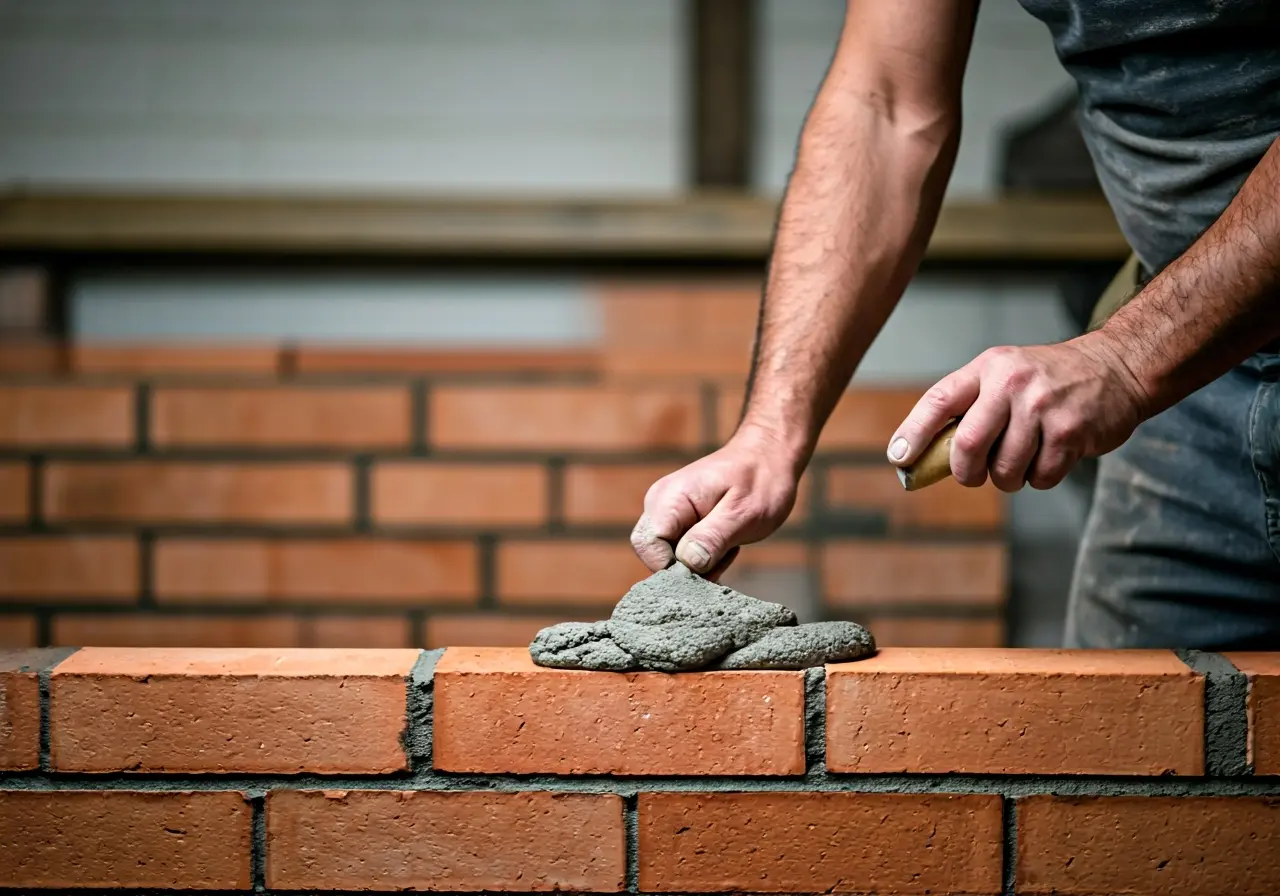
The correct mortar mix and application determine the strength of your masonry work. Mix proportions appropriately and apply evenly to create a strong bond. Consistency is key—too dry and it won’t bind properly; too wet, and it may not support the weight. Using a stiff brush, ensure all joints are equally filled, providing both support and aesthetic uniformity.
Moreover, choosing the right type of mortar based on your materials is crucial. Lime mortar, for instance, is breathable and allows moisture to escape—a useful property when dealing with porous stones. Mastery in mortar application not only enhances strength but also boosts the visual appeal, making each segment of your masonry look polished and professional.
7. Paying Attention to Grout Lines
Grout lines affect both the appearance and stability of your project. Keep lines consistent for a polished look and ensure they are completely filled to prevent water infiltration. Uneven grout lines can split over time, causing water damage and other issues.
Consider the color of your grout as an aesthetic decision—it can contrast or blend with the stone’s hues to emphasize their natural beauty. A subtle contrast may highlight unique features of the stones, enhancing the structure’s overall appeal. Paying close attention to grout lines can make the difference between a polished finish and a rough, unkempt appearance.
8. Incorporating Natural Elements
Blend your hardscape with the natural beauty of the Hudson Valley by incorporating native plants or stone features that complement the surroundings. Using local flora and fauna to enhance your masonry can make your design seem like an organic extension of the landscape.
Consider adding water features or using natural wood to create more dynamic outdoor spaces. Elements like these not only beautify the space but also enhance the sensory experience, traditionally offering cooling effects and the soothing sound of running water.
9. Adhering to Local Building Codes
Ensure your project complies with local building codes and regulations. This not only ensures safety but also avoids potential legal issues. Obtaining the necessary permits and understanding zoning laws will save time and resources, preventing interruptions during construction.
Consult with professionals or local authorities to ensure your design meets all necessary standards. Building codes may dictate specific materials or structural requirements, which can vary greatly from one locality to another. Staying informed ensures your project proceeds smoothly and safely.
10. Planning for Maintenance
A well-maintained masonry structure can last for decades. Create a maintenance plan to keep your renovation in pristine condition, addressing any signs of wear promptly. Regular inspections allow you to catch small issues before they become major problems.
Consider seasonal maintenance tasks like sealing stones to prevent weather damage or reapplying mortar in heavily trafficked areas. Establishing a routine can help maintain the color and integrity of your masonry work for years to come. Thoughtful maintenance planning is an investment in the longevity and value of your outdoor space.