
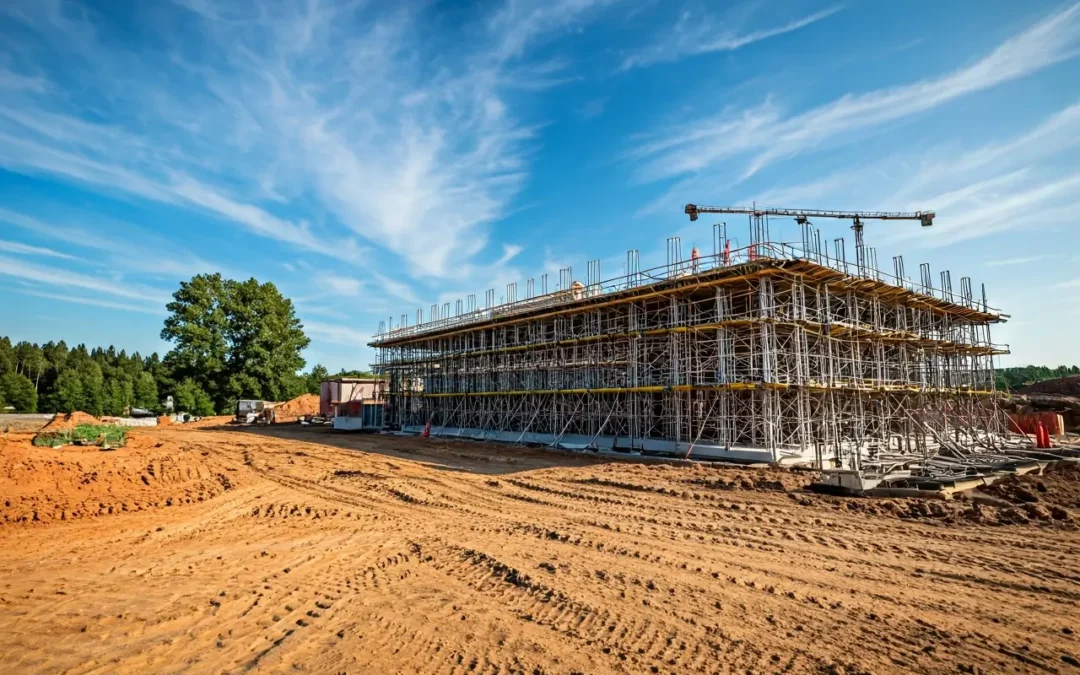
Outdoor construction is more than just building structures in the open air; it’s a craft that brings together creativity, technical expertise, and a keen understanding of nature. In this blog, we’ll explore how visionary concepts are transformed into breathtaking outdoor realities. Join us as we delve into the magic of outdoor construction.

Understanding the Basics: What is Outdoor Construction?
Outdoor construction refers to the process of creating functional and aesthetically pleasing structures or spaces outside. It can encompass a wide variety of projects, from small backyard gardens to expansive public parks or commercial venues.
At its core, outdoor construction is about transforming a piece of the natural world into a usable and enjoyable space. It requires a deep understanding of landscaping, architecture, and environmental systems. Whether it’s integrating a water feature in a park or setting up a robust playground in a community space, outdoor construction involves a unique set of challenges and opportunities. By thoughtfully integrating elements like plants, water, and hardscaping, you can create environments that are both functional and beautiful. These projects not only require meticulous planning but also a respect for the natural surroundings that make each project unique.
The Role of Design in Outdoor Construction
Visionary design is at the heart of successful outdoor construction. It involves turning creative ideas into practical plans. Good design balances aesthetics with the functional needs of the space, ensuring that both form and function are elegantly integrated.
Design is more than just a blueprint—it’s the narrative that guides every aspect of outdoor construction, from the materials chosen to the methods of blending the structures with the natural environment. One compelling example of design’s importance in outdoor construction is seen in how spaces can reflect cultural heritage or community values. By incorporating local traditions and aesthetics, spaces not only serve their functional purpose but also resonate on a deeply human level. Successful designs also consider future use and adaptability, ensuring longevity and relevance as needs evolve.
Moreover, embracing technology, such as computer-generated models and simulations, allows designers to visualize and tweak their creations to perfection. This proactive approach helps anticipate challenges and allows for innovative solutions that blend nature and design seamlessly. In this way, design works not in opposition to nature but harmoniously with it, enhancing the user’s experience and ensuring sustainability in every project.
Materials Matter: Choosing the Right Elements
Selecting the right materials is crucial in outdoor construction, as they need to withstand weather conditions while enhancing the overall design. From natural stones to sustainable woods, the choice of materials affects both the durability and the beauty of the construction.
In recent years, the focus on sustainability has brought new innovations in material selection. For example, composite materials that blend recycled content with high durability offer exciting possibilities. These advancements not only reduce environmental impact but also offer greater versatility and resilience. When choosing materials, it’s important to consider local availability to minimize the carbon footprint associated with transport and to select elements that will age gracefully with minimal maintenance.
The role of materials goes beyond mere construction; it influences how the space interacts with its users and the environment. The texture, color, and temperature of materials can profoundly affect comfort and aesthetic appeal, contributing to the overall success of the project. In this way, the right materials don’t just support the structure itself—they enhance its integration with the landscape, supporting a vision that is as enduring as it is beautiful.
The Construction Process: From Blueprint to Reality
The journey from concept to completion involves meticulous planning and execution. This includes site assessment, obtaining necessary permits, setting a construction timeline, and coordinating among teams to ensure the seamless realization of the design.
The construction process is where vision meets reality, requiring constant communication and collaboration among different experts, from architects and engineers to skilled laborers and landscape designers. Each step must be precisely coordinated to ensure that the project stays on schedule and within budget. This phase involves overcoming unforeseen challenges, from weather disruptions to site-specific intricacies, demanding flexibility and innovative problem-solving from all stakeholders.
Integration of modern technology such as drones for surveying and digital project management tools can enhance efficiency and accuracy throughout the construction phase. These technologies provide a literal bird’s-eye view, helping project managers make informed decisions that can optimize both cost and time efficiency. The final touches—and subsequent regular inspections—ensure longevity and sustainability, making sure that the outdoor spaces remain safe, usable, and visually appealing over time.
Bringing Nature and Innovation Together
Outdoor construction often involves blending natural elements with innovative technology to create sustainable and efficiently managed spaces. This harmony helps maintain the ecological balance while providing modern conveniences and amenities.
One of the most exciting aspects of contemporary outdoor construction is the integration of green technologies. Solar lighting, rainwater harvesting systems, and smart irrigation controls are becoming standard features in many projects. These innovations not only enhance the functionality of the space but also contribute to reducing environmental impact and operational costs over the longer term. By implementing such technologies, projects can offer a more harmonious interaction between humans and nature, paving the way for a more sustainable future.
Moreover, the integration of biodiversity features like native plantings and habitats for local wildlife ensures that construction projects contribute positively to their environment. These measures support local ecosystems and provide a natural aesthetic that enriches the user experience, demonstrating that innovation in outdoor construction is not about replacing nature, but enhancing it.
Case Studies: Inspiring Examples of Outdoor Construction
Exploring successful projects around the world can offer inspiration and insight into the possibilities of outdoor construction. From vibrant urban spaces to serene rural retreats, each project showcases unique challenges and creative solutions.
Consider the transformation of New York’s High Line, which turned a disused railway line into a lush urban park, offering a model for repurposing industrial spaces into green areas that benefit the community. This project exemplifies how outdoor construction can breathe new life into neglected spaces, providing green corridors that connect neighborhoods and provide urban residents access to natural environments.
Similarly, Singapore’s Gardens by the Bay exemplifies how technology and nature can coexist. With massive, solar-powered “supertrees” and climate-regulated conservatories, the project showcases future-forward thinking in outdoor construction, delivering a space that is both a leisure destination and an educational opportunity. Each case study underscores that with the right vision and execution, outdoor spaces can be transformative and inspiring.
Embracing the Vision: Bringing Outdoor Spaces to Life
Outdoor construction thrives at the intersection of imagination and practicality. By combining visionary designs with skilled execution, creators are able to bring outdoor spaces to life, providing beauty and functionality in harmony with nature. Whether you are looking to transform your backyard or a public park, understanding the key elements of outdoor construction can turn your space into a masterpiece.