Masonry has been a cornerstone of architectural beauty for centuries. Its durability and timeless appeal offer the perfect blend of strength and aesthetics, bringing a touch of elegance to any structure. In this blog, we explore how incorporating quality masonry features can elevate your home or building’s design.
The History of Masonry and Its Enduring Appeal
Masonry has a rich history that dates back to ancient civilizations. Its enduring appeal lies in its ability to blend functionality with aesthetics. From the grand cathedrals of Europe to modern-day homes, masonry has been a crucial element in creating memorable architectural designs.
The use of stone and brick in architecture has not only stood the test of time but has also evolved to accommodate contemporary styles. Ancient Egyptians were among the first to master stone construction with their iconic pyramids, showcasing masonry’s timeless strength. Similarly, the Romans applied masonry techniques in their extensive network of aqueducts and buildings, which still stand as a testament to their advanced engineering. The ability to shape and stack stones into beautiful structures was not just a matter of utility but also a cultural expression, signifying stability and permanence.
In more recent history, the industrial revolution brought about new materials and techniques, yet the classic appeal of masonry has never waned. The nineteenth-century saw a resurgence in brickwork, particularly in Victorian architecture, where intricate designs and patterns became popular. Even today, the fascination with quality masonry continues as architects and builders seek durable, aesthetic solutions for modern living spaces. The evolution of masonry over the centuries reflects its adaptability and enduring allure.
Key Elements of Quality Masonry Features
Quality masonry is characterized by its impeccable workmanship, choice of materials, and design precision. These elements work together to ensure not only the visual appeal but also the structural integrity of the construction.
Material selection is a critical component of quality masonry. Using durable materials like granite or limestone not only enhances the aesthetic appeal but also contributes to the longevity of the structure. The choice of mortar, which binds the masonry units, is equally important, as it affects the overall strength and durability of the masonry work. Moreover, skilled craftsmanship plays a vital role in executing designs that showcase precision and artistry. Attention to detail in jointing also highlights the uniqueness of the masonry work, whether it’s a smooth flush joint or a more pronounced raked joint.
Another essential aspect of quality masonry is the consideration of environmental factors during the design and building phases. Weather conditions, soil types, and even seismic activity can influence material choices and construction techniques. Adapting masonry practices to suit these factors ensures not just the structural soundness but also the resilience of the buildings. Furthermore, incorporating sustainable building practices into masonry work, such as sourcing eco-friendly materials or employing techniques that reduce waste, aligns with modern environmental goals. The integration of these elements ensures that masonry remains a preferred choice for eco-conscious architects and builders.
Popular Masonry Techniques and Materials
From traditional bricklaying to innovative stone veneer techniques, masonry offers a variety of methods and materials. Options like natural stone, brick, and concrete provide versatility and can be customized to match any design aesthetic.
Brick masonry, one of the most popular techniques, offers an array of colors and textures that can be arranged in numerous patterns. The herringbone and basketweave patterns are timeless examples that add character and charm to surfaces. Stone masonry, on the other hand, brings a sense of grandeur and permanence, often using materials like granite, limestone, or sandstones, each with distinct properties and aesthetics. The versatility of these materials allows for creative expressions in both residential and commercial buildings, catering to diverse architectural preferences.
Concrete blocks have gained popularity due to their affordability and ease of use. They are often hollow, providing natural insulation, which is a significant advantage in modern architecture. Another technique gaining traction is stone veneer, offering a lightweight alternative to traditional full-stone constructions. This method allows for the look and feel of natural stone without the associated cost and weight, making it ideal for facades and decorative elements. These various techniques enable builders to achieve the desired aesthetic and functional outcomes, proving that masonry continues to evolve with contemporary demands.
Integrating Masonry into Modern Design
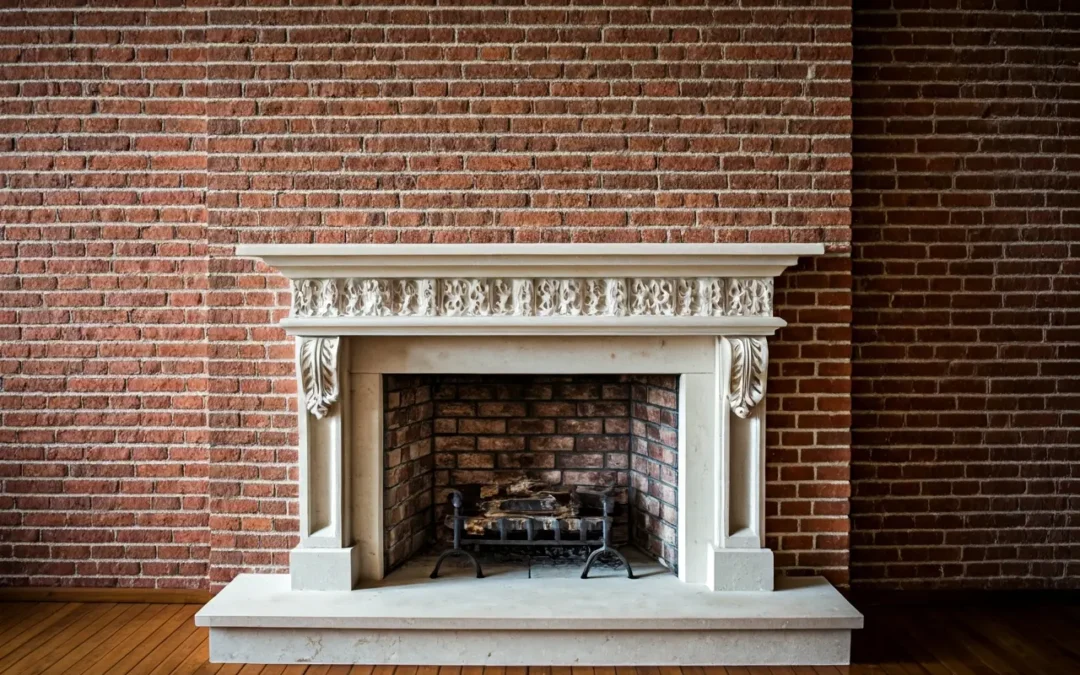
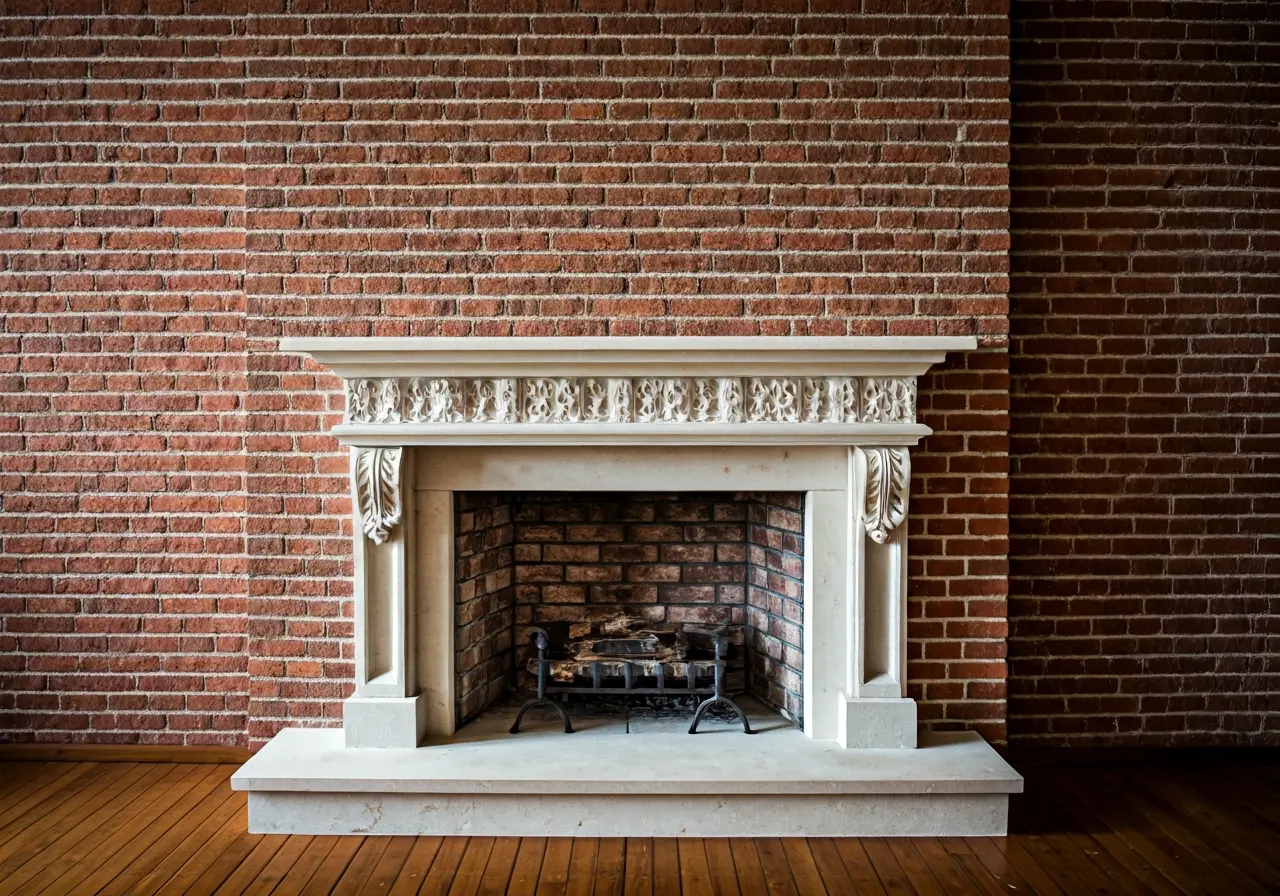
Modern designs often incorporate masonry in unique ways. Whether it’s a feature wall, a stylish fireplace, or decorative facades, masonry can add depth and character to contemporary spaces while maintaining a timeless elegance.
One innovative trend in modern design is the fusion of traditional masonry with digital technology, creating interactive and dynamic surfaces. This seamless blend allows architects to integrate digital displays into stone or brick walls, providing functional benefits such as real-time data display in commercial buildings. Besides, the aesthetic implication of using contrasting materials alongside masonry—such as glass and steel—creates a stunning juxtaposition that highlights the solidity of masonry against the sleekness of modern materials. Such designs are not just visually captivating but also symbolize the marriage of the old with the new.
In residential spaces, masonry often features in open-plan living areas, where exposed brick or stone walls act as a focal point to unify various design elements. Outdoor spaces benefit from masonry’s durability, with stone patios and brick garden walls creating cohesion between indoor and outdoor living areas. This approach to modern design underscores the flexibility of masonry in adapting to different environments while offering the timeless aesthetic that homeowners and designers cherish. With continuous innovations in techniques and materials, masonry remains an integral part of modern architectural design, capable of enhancing any space with its timeless elegance.
Embrace the Elegance of Quality Masonry
By focusing on quality masonry features, you can transform any space into a timeless masterpiece. From classic brick facades to intricate stonework, these elements not only enhance the aesthetic appeal but also ensure longevity and resilience. Embrace the beauty and strength of masonry to create an elegant and lasting design.