
Embarking on an outdoor project that involves masonry can be both exciting and daunting. Ensuring quality masonry is key to creating a durable and aesthetically pleasing outcome. In this guide, we’ll walk you through essential steps to achieve high-quality masonry in your outdoor project.
Understanding the Basics of Masonry
Before starting your project, it’s essential to have a basic understanding of masonry techniques and materials. This groundwork knowledge will help in planning and executing your project effectively.
Masonry involves the construction of structures using individual units bound together by mortar. These units could be bricks, stone, or concrete blocks, each offering unique aesthetic and functional properties. Understanding these basics can help you make informed decisions about materials and techniques throughout your project.
One of the key aspects of masonry is its inherent strength and durability. By mastering the fundamentals, you can ensure that your project will not only look great but will stand the test of time and weathering. Choosing masonry for outdoor projects provides the benefits of low maintenance and resistance to fire and insects, making it a reliable choice.
Choosing the Right Materials
Selecting quality materials is crucial for the longevity and appearance of your masonry work. Consider factors such as durability, weather-resistance, and compatibility with your overall design.
When choosing materials, it’s important to think about the climate you live in. For instance, bricks are excellent due to their durability and thermal efficiency. However, if you expect harsh freeze-thaw cycles, consider using fired clay bricks or concrete blocks that are specifically manufactured to withstand these conditions.
Don’t forget the aesthetic aspect of your materials. The choice of bricks or stones should complement other components of your outdoor area, including the color palette and design style. Taking the time to choose the right materials can enhance the cohesive look of your project.
Preparing a Solid Foundation
A strong foundation is the backbone of any masonry project. Ensure the base is well-prepared and stable to prevent future issues such as cracking or shifting.
Start by examining the soil structure and drainage properties of the area where you plan to build. Proper soil preparation is crucial to prevent water retention that can weaken your foundation. Consider grading the area to ensure water runs away from your structure, preventing moisture buildup.
Using a compacted gravel base can provide excellent stability and drainage. The gravel should be adequately compacted to avoid settling or displacement over time. Remember, investing time in preparing the base will pay off in the long run by reducing maintenance and repair needs.
Ensuring Precise Measurements and Alignments
Accuracy in measurement and alignment can make or break the quality of your project. Take time to measure twice and build once, ensuring everything is perfectly positioned.
Using a string line and spirit level can help maintain straight lines and even surfaces. Proper alignment not only enhances the appearance of masonry work but also contributes to its structural integrity. Small errors in alignment can accumulate over the project, leading to visible flaws.
Applying Proper Techniques
Using the correct masonry techniques is critical to achieving a professional finish. Follow recommended methods for mixing mortar, laying bricks or stones, and handling tools.
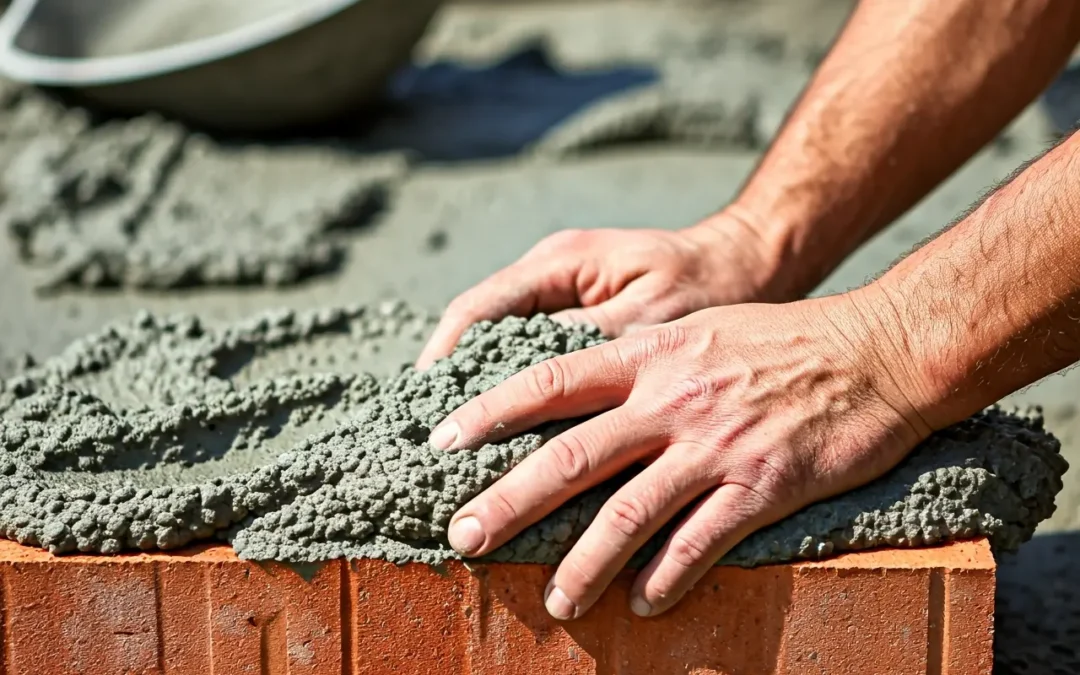
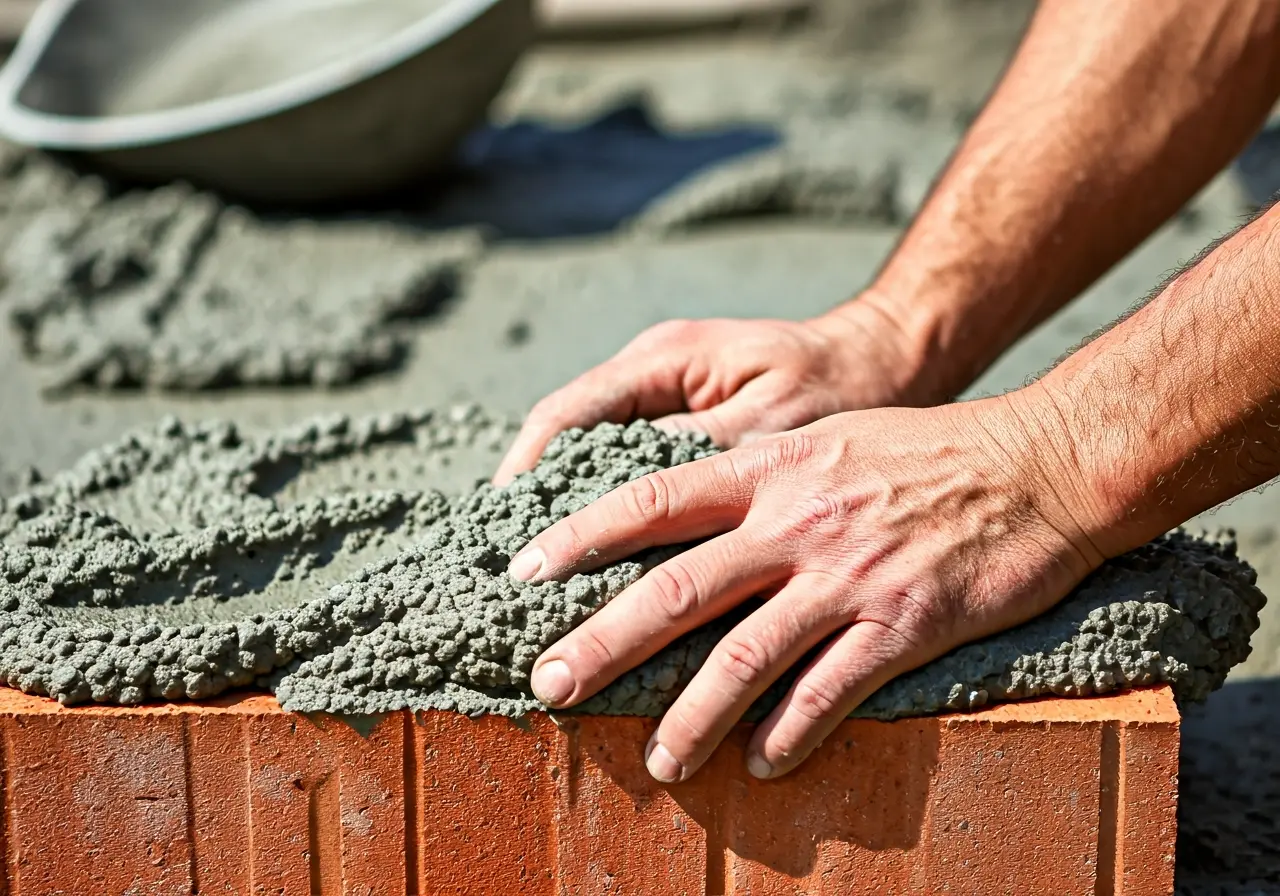
Follow the manufacturer’s guidelines for mixing mortar in terms of ratios and mixing time. Consistency in mortar is key; it should neither be too dry nor too wet but have a peanut-butter-like texture. This ensures the right balance between adhesion and flexibility, crucial for durable bonding.
As you lay bricks or stones, ensuring uniform joints helps improve both the appearance and structural soundness of your work. Avoid using excessive mortar as it can squeeze out from between the units, potentially causing an uneven surface.
Regular Maintenance and Care
After completion, regular maintenance is key to preserving the quality of your masonry. Periodically inspect for issues and perform necessary repairs to extend the life of your project.
Look for signs of wear such as cracks, discoloration, or crumbling mortar. Addressing these issues early can prevent more significant damage. Cleaning your masonry surface gently with water and a soft-bristle brush can help remove dirt and grime while preserving the finish.
Consider applying a sealant to protect against moisture absorption and freeze-thaw damage. This extra layer not only prolongs the aesthetic appeal of your masonry but also reduces the risk of internal damage.
Achieving Quality in Your Masonry Project: Final Thoughts
By following these guidelines, you can confidently tackle your outdoor masonry project, ensuring not only quality and craftsmanship but also a beautiful addition to your outdoor space. Remember, preparation and attention to detail are your best allies in crafting exceptional masonry work.